

Rockwell, Norman
1894–1978
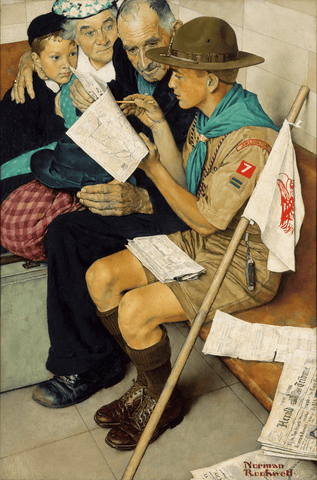
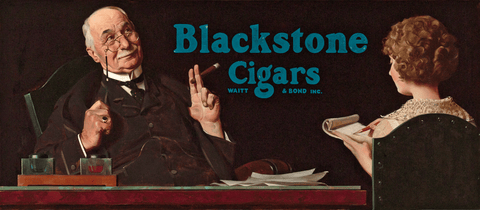
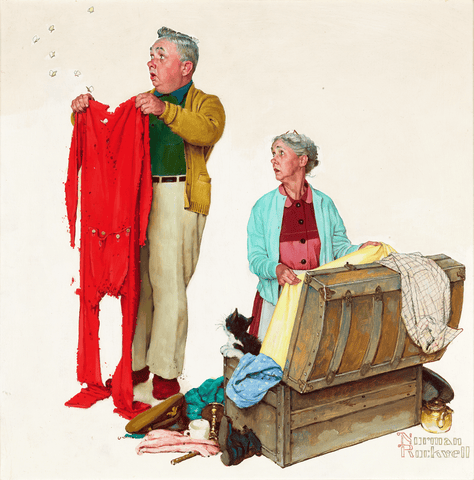
Few artists have captured the spirit, humor and humanity of American life as profoundly as Norman Rockwell. Through hundreds of magazine covers, illustrations and paintings, Rockwell created a visual chronicle of 20th-century America that resonated deeply with generations of viewers.
Celebrated for his extraordinary storytelling ability and emotional sincerity, Rockwell transformed ordinary moments into enduring symbols of the American experience.
Whether depicting childhood innocence, wartime sacrifice or the quiet dignity of everyday life, Rockwell’s paintings continue to evoke nostalgia, optimism and compassion.
Today, his works remain among the most beloved images in American art history.
|
“I was showing the America I knew and observed to others who might not have noticed.” Norman Rockwell |
Early Life
Norman Perceval Rockwell was born in New York City in 1894 and demonstrated artistic talent from an early age.
Determined to become an artist, Rockwell enrolled in formal art classes at the age of fourteen before leaving high school just two years later to pursue artistic training full time.
He studied at the Art Students League under influential illustrator Thomas Fogarty, whose emphasis on narrative clarity and draftsmanship profoundly shaped Rockwell’s artistic development.
Rockwell’s talent emerged quickly.
Before the age of sixteen, he had already completed commissions for Christmas cards and illustrated his first children’s book.
Soon afterward, he received his first assignment for Boys’ Life magazine, beginning a lifelong career in illustration.
A Rising Star
At just nineteen years old, Rockwell became the Art Director of Boys’ Life, officially launching his national career.
In 1915, he moved to New Rochelle, New York, where he rented a studio alongside illustrator Clyde Forsythe.
The area was home to many of America’s leading illustrators, including J.C. Leyendecker, Frank Leyendecker and Howard Chandler Christy.
Rockwell especially admired J.C. Leyendecker, whose influence can be seen throughout Rockwell’s later compositions and storytelling techniques.
During this period, illustration occupied a central role in American visual culture.
The greatest achievement for many illustrators was producing covers for The Saturday Evening Post, the nation’s most widely circulated magazine.
Rockwell achieved this milestone at the remarkably young age of twenty-two.
Over the following decades, he would create an extraordinary 321 covers for the publication, becoming one of the most recognizable artists in America.
America’s Storyteller
By the age of thirty, Rockwell had become a national celebrity.
In 1930, he married his second wife, Mary Barstow, and together they eventually raised three sons.
The family relocated to Arlington, Vermont, in 1939, where Rockwell sought new artistic inspiration following the hardships of the Great Depression.
The move transformed his work.
Surrounded by small-town rural life, Rockwell increasingly focused on intimate, character-driven scenes inspired by his friends, neighbors and local community.
His paintings became more detailed, humorous and emotionally authentic, capturing the everyday experiences of ordinary Americans with extraordinary empathy.
Rockwell’s genius lay in his ability to elevate seemingly simple moments into universal narratives filled with warmth, nostalgia and humanity.
Even when addressing serious subjects such as war, social change and national identity, he approached them with optimism and emotional accessibility.
One of his most celebrated achievements was the Four Freedoms series, inspired by President Franklin D. Roosevelt’s 1941 speech outlining four fundamental human freedoms.
The paintings became iconic patriotic images during World War II and toured throughout the United States to support war bond drives.
Rockwell also created the beloved Willie Gillis series for The Saturday Evening Post, chronicling the experiences of a fictional American soldier during World War II.
Audiences became deeply attached to the character, viewing him as an embodiment of the ordinary American serviceman.
The popularity of Willie Gillis was so immense that readers frequently wrote to the magazine asking about his wellbeing, despite his fictional nature.
Through works such as these, Rockwell became not merely an illustrator but a cultural narrator of American life.
Legacy
Although Rockwell ended his long relationship with The Saturday Evening Post in 1963, his influence and popularity only continued to grow.
His paintings evolved to address increasingly complex social issues, including civil rights and poverty, while maintaining the emotional clarity and humanity that defined his work.
In 1969, the Norman Rockwell Museum was established in Stockbridge, Massachusetts, preserving the world’s largest collection of his original artworks and illustrations.
Rockwell received the Presidential Medal of Freedom in 1977, the highest civilian honor in the United States, recognizing his immense cultural contributions.
Today, Rockwell’s paintings remain deeply embedded within American visual culture.
Works such as Freedom from Want, The Problem We All Live With and Rosie the Riveter continue to resonate across generations for their humanity, technical brilliance and emotional power.
Collectors continue to admire Rockwell’s extraordinary storytelling ability, masterful draftsmanship and enduring vision of the American spirit.
Collectors seeking exceptional examples of American illustration and fine art are invited to explore M.S. Rau’s curated collection of museum-quality American masterworks.
Quick Facts
|
Continue Your ExplorationExplore works by Norman Rockwell and other masters of American art through M.S. Rau’s curated collection of museum-quality fine art and historical masterworks. |
Rockwell, Norman
1894–1978
Few artists have captured the spirit, humor and humanity of American life as profoundly as Norman Rockwell. Through hundreds of magazine covers, illustrations and paintings, Rockwell created a visual chronicle of 20th-century America that resonated deeply with generations of viewers.
Celebrated for his extraordinary storytelling ability and emotional sincerity, Rockwell transformed ordinary moments into enduring symbols of the American experience.
Whether depicting childhood innocence, wartime sacrifice or the quiet dignity of everyday life, Rockwell’s paintings continue to evoke nostalgia, optimism and compassion.
Today, his works remain among the most beloved images in American art history.
|
“I was showing the America I knew and observed to others who might not have noticed.” Norman Rockwell |
Early Life
Norman Perceval Rockwell was born in New York City in 1894 and demonstrated artistic talent from an early age.
Determined to become an artist, Rockwell enrolled in formal art classes at the age of fourteen before leaving high school just two years later to pursue artistic training full time.
He studied at the Art Students League under influential illustrator Thomas Fogarty, whose emphasis on narrative clarity and draftsmanship profoundly shaped Rockwell’s artistic development.
Rockwell’s talent emerged quickly.
Before the age of sixteen, he had already completed commissions for Christmas cards and illustrated his first children’s book.
Soon afterward, he received his first assignment for Boys’ Life magazine, beginning a lifelong career in illustration.
A Rising Star
At just nineteen years old, Rockwell became the Art Director of Boys’ Life, officially launching his national career.
In 1915, he moved to New Rochelle, New York, where he rented a studio alongside illustrator Clyde Forsythe.
The area was home to many of America’s leading illustrators, including J.C. Leyendecker, Frank Leyendecker and Howard Chandler Christy.
Rockwell especially admired J.C. Leyendecker, whose influence can be seen throughout Rockwell’s later compositions and storytelling techniques.
During this period, illustration occupied a central role in American visual culture.
The greatest achievement for many illustrators was producing covers for The Saturday Evening Post, the nation’s most widely circulated magazine.
Rockwell achieved this milestone at the remarkably young age of twenty-two.
Over the following decades, he would create an extraordinary 321 covers for the publication, becoming one of the most recognizable artists in America.
America’s Storyteller
By the age of thirty, Rockwell had become a national celebrity.
In 1930, he married his second wife, Mary Barstow, and together they eventually raised three sons.
The family relocated to Arlington, Vermont, in 1939, where Rockwell sought new artistic inspiration following the hardships of the Great Depression.
The move transformed his work.
Surrounded by small-town rural life, Rockwell increasingly focused on intimate, character-driven scenes inspired by his friends, neighbors and local community.
His paintings became more detailed, humorous and emotionally authentic, capturing the everyday experiences of ordinary Americans with extraordinary empathy.
Rockwell’s genius lay in his ability to elevate seemingly simple moments into universal narratives filled with warmth, nostalgia and humanity.
Even when addressing serious subjects such as war, social change and national identity, he approached them with optimism and emotional accessibility.
One of his most celebrated achievements was the Four Freedoms series, inspired by President Franklin D. Roosevelt’s 1941 speech outlining four fundamental human freedoms.
The paintings became iconic patriotic images during World War II and toured throughout the United States to support war bond drives.
Rockwell also created the beloved Willie Gillis series for The Saturday Evening Post, chronicling the experiences of a fictional American soldier during World War II.
Audiences became deeply attached to the character, viewing him as an embodiment of the ordinary American serviceman.
The popularity of Willie Gillis was so immense that readers frequently wrote to the magazine asking about his wellbeing, despite his fictional nature.
Through works such as these, Rockwell became not merely an illustrator but a cultural narrator of American life.
Legacy
Although Rockwell ended his long relationship with The Saturday Evening Post in 1963, his influence and popularity only continued to grow.
His paintings evolved to address increasingly complex social issues, including civil rights and poverty, while maintaining the emotional clarity and humanity that defined his work.
In 1969, the Norman Rockwell Museum was established in Stockbridge, Massachusetts, preserving the world’s largest collection of his original artworks and illustrations.
Rockwell received the Presidential Medal of Freedom in 1977, the highest civilian honor in the United States, recognizing his immense cultural contributions.
Today, Rockwell’s paintings remain deeply embedded within American visual culture.
Works such as Freedom from Want, The Problem We All Live With and Rosie the Riveter continue to resonate across generations for their humanity, technical brilliance and emotional power.
Collectors continue to admire Rockwell’s extraordinary storytelling ability, masterful draftsmanship and enduring vision of the American spirit.
Collectors seeking exceptional examples of American illustration and fine art are invited to explore M.S. Rau’s curated collection of museum-quality American masterworks.
Quick Facts
|
Continue Your ExplorationExplore works by Norman Rockwell and other masters of American art through M.S. Rau’s curated collection of museum-quality fine art and historical masterworks. |

